
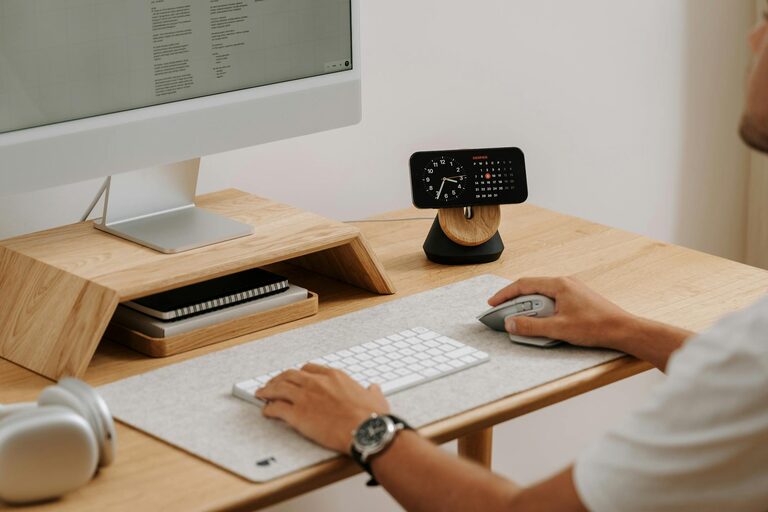
Reducing paper clutter in your home can dramatically improve your living space, boost productivity, and make daily routines smoother. Despite the push toward digital alternatives, many households still accumulate stacks of bills, mail, receipts, and important documents. If you often feel overwhelmed by piles of paper, you’re not alone—and there are simple, actionable steps you can take to manage and reduce clutter effectively.
Why Reducing Paper Clutter Matters
Paper clutter doesn’t just take up physical space; it can create mental clutter, causing stress and making it harder to find important information when you need it. Managing paper can help you:
– Save time searching for documents
– Avoid missing deadlines or bills
– Create a cleaner, more relaxing home environment
With just a little effort, you can develop habits and systems that keep paper clutter under control.
Step 1: Sort and Purge What You Don’t Need
The first step to managing paper clutter is to sort through what you have. Create three piles:
– Keep: Important papers like tax documents, warranties, and personal records
– Recycle: Junk mail, old magazines, flyers, and outdated receipts
– Action: Items requiring immediate attention, such as bills or RSVP invitations
Be mindful about what you really need to keep. For example, some receipts or warranties can be stored digitally instead of kept in paper form. Recycle all unnecessary papers promptly to prevent piles from forming again.
Step 2: Create a Dedicated Paper Management Station
Setting up one organized area for handling incoming paper helps keep clutter from spreading. This could be a small desk, a section of your kitchen counter, or a mail organizer near the door.
Essentials for a Paper Station:
– Inbox tray or basket: Collect all incoming papers here
– Filing system: Use labeled folders or a filing cabinet to sort important documents by category (bills, taxes, medical, etc.)
– Shredder: Securely dispose of sensitive documents you no longer need
Having a consistent place to deposit mail and paperwork keeps things from scattering and makes it easier to process them regularly.
Step 3: Go Digital Whenever Possible
One of the best ways to reduce paper clutter is to switch to digital alternatives:
– Online billing and statements: Enroll in electronic billing with your utilities, credit cards, and service providers
– Cloud storage: Scan important documents and save them securely in cloud services like Google Drive or Dropbox
– Note-taking apps: Use apps such as Evernote or OneNote for lists and reminders instead of sticky notes or paper planners
Going digital reduces the number of papers you bring into your home and makes it easier to organize and retrieve documents when needed.
Step 4: Establish a Regular Paper Processing Routine
Paper clutter can sneak back if you don’t maintain a habit of reviewing and sorting paper regularly. Try to:
– Empty your paper inbox daily or several times a week
– Sort mail immediately—bin junk, file important items, and take action on bills or invitations
– Schedule a monthly “paper purge” where you review files and shred outdated documents
Consistency is key. The more regularly you process paper, the less overwhelming it becomes.
Step 5: Use Practical Organizing Tools
Investing in a few simple tools can make paper management more manageable and even enjoyable:
– Expandable file folders: Great for categorizing papers and easy to store
– Label makers or stickers: Clear labeling helps you identify categories quickly
– Desktop organizers: Keep papers upright and visible on your workspace to prevent stacking
– Binders with dividers: Perfect for manuals, coupons, or school papers
Choose items that suit your style and space, so you’ll be more likely to use and maintain them.
Step 6: Reconsider What You Bring Into Your Home
Stopping clutter starts with less incoming paper:
– Opt out of junk mail and catalogs through services like DMAchoice
– Unsubscribe from unnecessary newsletters or mail offers
– Request digital receipts when shopping if available
Being selective about incoming paper can greatly reduce the amount you need to manage.
Bonus Tips for Specific Types of Papers
Bills and Financial Documents
– Set up automatic payments for recurring bills
– Store tax documents together by year, ideally in a fireproof box
Kids’ Artwork and School Papers
– Take photos of artwork and create a digital album
– Keep only a few special pieces in a portfolio or binder
Receipts and Warranties
– Digitize receipts using apps like Receipt Bank or Expensify
– Store warranties in a labeled binder or digital folder
Conclusion
Managing household paper clutter may feel daunting at first, but by creating good habits and setting up dedicated systems, you can enjoy a cleaner, more organized space. Start small—sorting a drawer or setting up a paper station—and build from there. The reduction in stress and increased efficiency will be well worth the effort.
Remember, less paper clutter means more peace of mind and a more inviting home to enjoy. Happy organizing!