
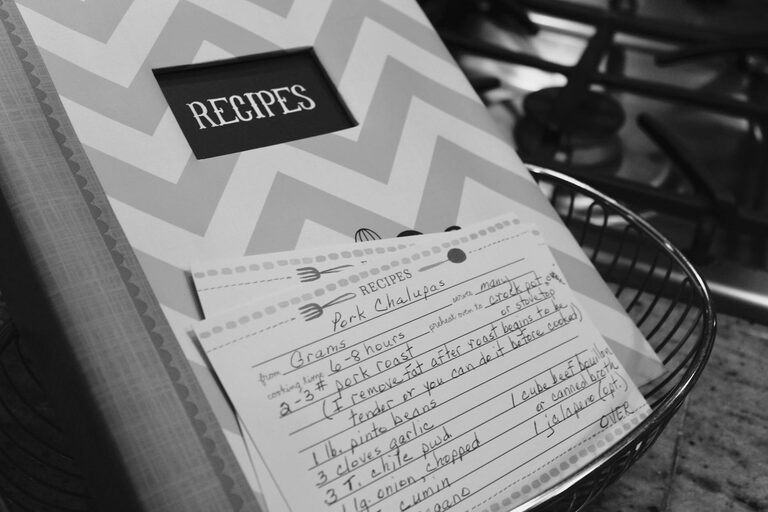
Planning your meals for the week can feel overwhelming at first, but with a little guidance, it becomes a great way to save time, reduce food waste, and eat well. A simple weekly meal plan helps you stay organized and enjoy cooking without last-minute stress. In this post, we’ll walk through an easy-to-follow process for creating a weekly meal plan that fits your lifestyle.
Why Create a Weekly Meal Plan?
Meal planning offers several benefits, including:
– Saves Time: No more daily decisions about what to cook or last-minute grocery runs.
– Reduces Food Waste: Buying only what you need helps avoid spoiling food.
– Supports Healthy Eating: Planning meals makes it easier to include balanced nutrition.
– Saves Money: Shopping with a list reduces impulse purchases.
With these benefits in mind, let’s look at how to create your weekly meal plan.
Step 1: Assess Your Week Ahead
Before jumping into recipe choices, take a few minutes to consider your upcoming week:
– How many meals do you need to plan? (Breakfast, lunch, dinner, snacks?)
– Which days will you be home to cook? Any busy days to keep meals simple?
– Do you have leftovers from previous meals you’d like to use?
This overview helps you decide how many meals to plan and where to focus your effort.
Step 2: Choose Your Meal Planning Method
Some prefer writing plans on paper, others use digital tools or apps. Choose what fits you best:
– Paper planner or notebook: Ideal if you like having a visual calendar.
– Digital calendar: Use Google Calendar or similar tools for reminders.
– Meal planning apps: Support shopping lists and recipe storage.
Whichever you choose, consistency is key.
Step 3: Gather Recipe Ideas
Build a list of your favorite recipes or find new ones that suit your tastes and nutritional goals. Consider:
– Simple and quick recipes for busy nights.
– Batch cooking recipes that create leftovers for multiple meals.
– Seasonal ingredients to keep meals fresh and budget-friendly.
You might want to create categories for different meal types or prep times.
Step 4: Plan Your Meals
Create a weekly template—days of the week on one axis and meals (breakfast, lunch, dinner) on the other. Then:
– Assign meals based on your schedule; for example, plan quick dinners on busy days.
– Incorporate variety to keep meals interesting — rotate proteins, vegetables, and grains.
– Include one or two days for eating out or leftovers.
Here’s a simple example for dinners:
| Day | Dinner |
|———–|————————-|
| Monday | Grilled chicken and veggies |
| Tuesday | Pasta with marinara sauce |
| Wednesday | Stir-fry tofu and rice |
| Thursday | Baked salmon with salad |
| Friday | Homemade pizza |
| Saturday | Leftovers or dining out |
| Sunday | Roast chicken with potatoes |
Step 5: Create Your Grocery List
Once meals are planned, make a grocery list organized by category (produce, dairy, pantry, etc.). This will help you shop efficiently and avoid missing ingredients.
Tips for efficient shopping:
– Check your pantry and fridge for items you already have.
– Stick to the list to avoid impulse buys.
– Consider shopping at local markets for fresh produce.
Step 6: Prep Ahead When Possible
Meal prep can reduce cooking time during the week:
– Wash and chop vegetables in advance.
– Cook grains or proteins ahead of time.
– Portion out snacks for grab-and-go convenience.
Even 30 minutes on your meal prep day can make a big difference.
Step 7: Stay Flexible and Review
Life happens, and plans may change. It’s okay to swap meals or take a break from strict planning. After a week or two, review what worked and what didn’t:
– Did you have too many meals?
– Were meals too complicated or time-consuming?
– Did you waste food?
Adjust your plan accordingly.
Bonus Tips for Success
– Use leftovers creatively: Turn roast chicken into sandwiches or salads the next day.
– Cook in bulk: Soups, stews, and casseroles often taste better as leftovers.
– Keep staple ingredients: Items like rice, beans, frozen vegetables, and canned tomatoes help create quick meals.
– Involve the family: Get input on meals to make planning more enjoyable.
Final Thoughts
Creating a simple weekly meal plan doesn’t have to be complicated. Start small, focus on meals you enjoy, and build the habit. Over time, meal planning can free up your time and reduce stress around mealtime — making healthy, satisfying meals part of your everyday routine.
Ready to start? Grab a notebook or open your favorite app, and plan your week ahead. Happy cooking!