
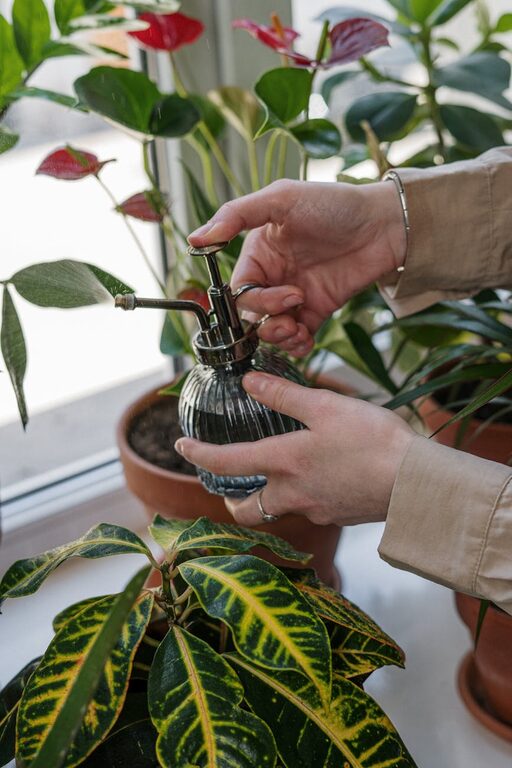
Bringing houseplants into your home not only enhances your living space but also promotes a sense of well-being. However, keeping houseplants healthy requires more than just watering them occasionally. Whether you’re new to plant care or a seasoned indoor gardener, understanding the basics can make a huge difference in your plants’ longevity and vibrancy. This guide offers practical tips to help you nurture your green companions.
Understanding Your Houseplants' Needs
Every plant species has its own set of requirements for light, water, temperature, and humidity. The first step to maintaining healthy houseplants is to know what your specific plants need.
Light Requirements
Light is vital for photosynthesis, the process by which plants make food. Some plants prefer direct sunlight, while others thrive in low or indirect light.
– Bright Light Plants: Succulents, cactus, and some tropical plants like hibiscus need several hours of direct sunlight daily.
– Medium Light Plants: Peace lilies, snake plants, and pothos prefer bright, indirect light.
– Low Light Plants: ZZ plants and certain ferns can tolerate shaded corners but should still avoid total darkness.
Place plants according to their light preferences. If natural light is insufficient, consider using grow lights, especially during winter months.
Watering Wisely
One of the most common mistakes in plant care is overwatering or underwatering.
– Check Soil Moisture: Before watering, gently stick your finger into the soil about an inch deep. If it feels dry, it’s time to water.
– Watering Frequency Varies: Succulents need less frequent watering compared to ferns, which like consistently moist soil.
– Drainage Is Key: Always use pots with drainage holes to prevent waterlogging, which can cause root rot.
Use lukewarm water and aim to water the soil directly rather than the leaves.
Maintaining Proper Humidity and Temperature
Most houseplants thrive in moderate humidity (40-60%) and comfortable room temperatures (65-75°F or 18-24°C).
– Boost Humidity: Use a humidifier or place trays of water near your plants. Grouping plants together can also create a micro-humid environment.
– Avoid Drafts: Keep plants away from heating vents, air conditioners, and open windows to prevent temperature shocks.
– Seasonal Adjustments: During winter, indoor air can become dry. Increase humidity accordingly and reduce watering frequency.
Feeding Your Plants
Plants need nutrients to grow well. Using the right fertilizer can boost their health.
– Choose the Right Fertilizer: Use balanced, water-soluble fertilizers formulated for houseplants.
– Feeding Schedule: During the growing season (spring and summer), fertilize every 4-6 weeks. Reduce feeding in fall and winter when plants tend to rest.
– Avoid Overfeeding: Too much fertilizer can damage roots and cause leaf burn.
Repotting and Soil Care
As plants grow, they may outgrow their pots or deplete the soil nutrients.
– Repotting Signs: Roots growing out of drainage holes, soil drying quickly, or stunted growth indicate it’s time to repot.
– Choosing Pot Size: Select a pot that is 1-2 inches larger in diameter than the current one.
– Fresh Soil: Use high-quality potting mix suitable for your plant type. Avoid garden soil, which can contain pests and diseases.
Repotting also gives you a chance to check root health.
Pruning and Cleaning Your Plants
Regular maintenance helps plants stay healthy and encourages new growth.
– Prune Dead or Yellow Leaves: This prevents disease and improves plant appearance.
– Pinch Back Growth: For bushier plants, pinch tips regularly.
– Clean the Leaves: Dust blocks sunlight and can harbor pests. Gently wipe leaves with a damp cloth or rinse them occasionally.
Pest Management
Indoor plants can attract pests such as spider mites, aphids, and mealybugs.
– Regular Inspection: Check your plants weekly for any signs of pests.
– Natural Remedies: Use insecticidal soap or neem oil sprays to manage infestations.
– Isolation: Quarantine new plants before introducing them to your collection to prevent spreading pests.
Additional Tips for Success
– Rotate Plants: Turn plants occasionally to promote even growth.
– Use Quality Pots: Materials like terracotta help soil dry evenly.
– Avoid Stress: Keep plants in stable environments without sudden changes.
Conclusion
Healthy houseplants result from attentive care and understanding their unique needs. By providing the right light, water, humidity, nutrients, and attention, your indoor garden can flourish and brighten your home year-round. Remember, every plant is a little different, so stay curious and enjoy the rewarding process of watching them grow!